
Accessory Dwelling Units (ADUs) in California: Types, Benefits, and Why They’re Booming
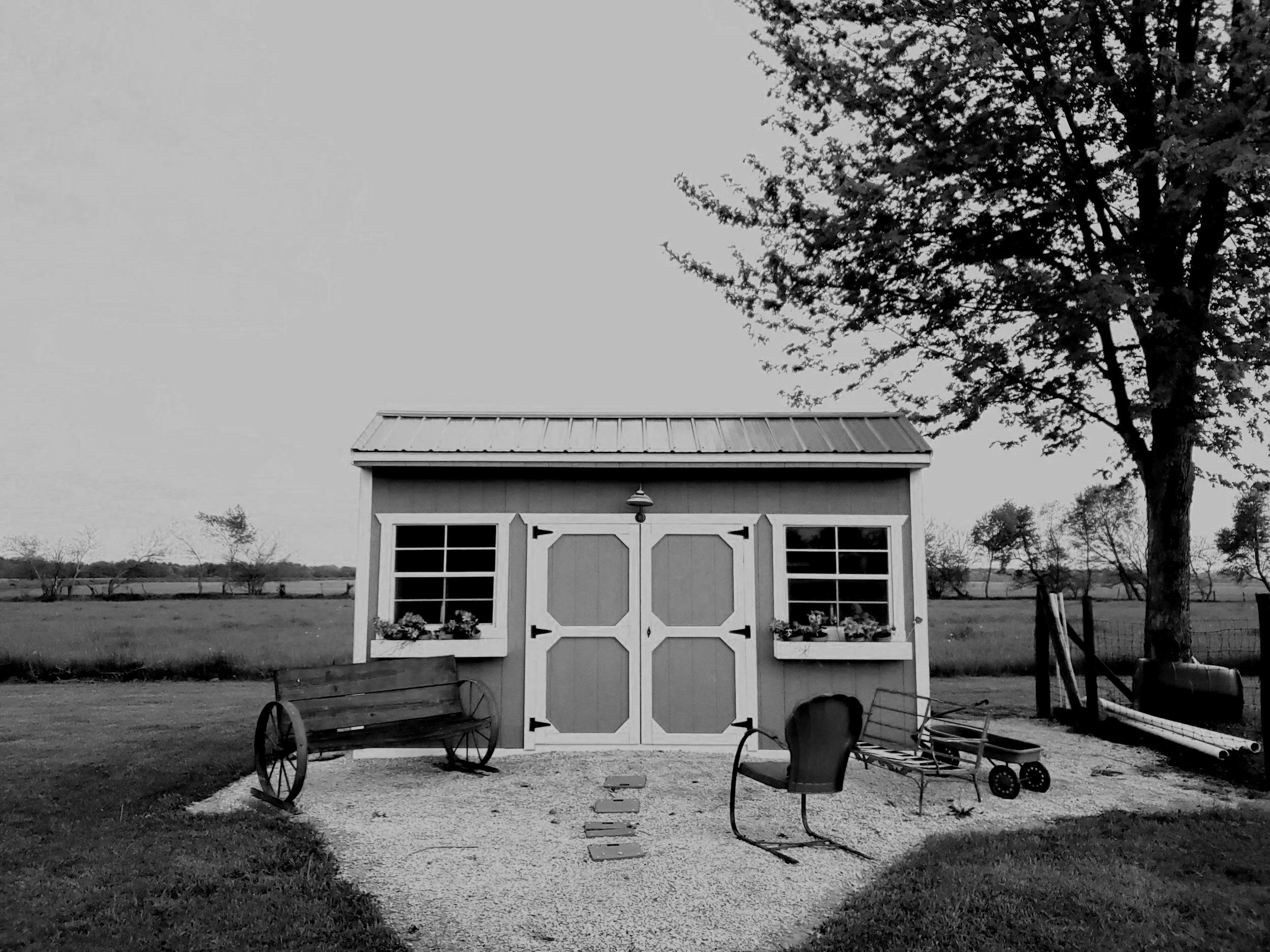
Accessory Dwelling Unites (ADUs)
Accessory Dwelling Units, commonly referred to as ADUs, are one of the most significant property improvements in California today. While they’re often referred to by different names depending on the jurisdiction, they all serve the same essential purpose: creating a secondary, self-contained living space on a residential property.
An ADU must include:
A bedroom or sleeping area
A bathroom
A kitchen or kitchenette
These units can house family members, generate rental income (short-, mid-, or long-term), or simply provide flexible, habitable space that adapts as your needs change.
The Three Main Types of ADUs
While ADUs share a common purpose, California recognizes three primary categories, each with distinct size limits, rules, and benefits.
Standard ADUs
Standard ADUs typically range from 800 to 1,200 square feet, though some municipalities allow larger units. These are the most familiar form of accessory housing and often function as full, independent residences.
Key characteristics:
Can be attached or detached from the primary home
Large enough to support multiple bedrooms, full kitchens, and living areas
Often subject to planning review and local impact fees
Typically capped at 1,200 square feet
Standard ADUs offer maximum flexibility and livability, making them ideal for long-term rentals or multigenerational living.
Special ADUs
Special ADUs, generally between 350 and 799 square feet, are the most common and efficient option for many homeowners.
Why they’re so popular:
Exempt from subjective planning review in most jurisdictions
Can be submitted directly to the Building Department, skipping design review boards
Largely exempt from local impact fees
Can be attached or detached
Because they avoid discretionary approvals, Special ADUs often move through permitting significantly faster and at a lower cost. For many projects, they strike the best balance between speed, flexibility, and return on investment.
Junior ADUs (JADUs)
Junior ADUs are the most compact option, typically ranging from 200 to 500 square feet.
Important requirements:
Must be attached to the primary residence
Owner occupancy is required on the property
Exempt from impact fees and subjective review
One of the biggest advantages of a JADU is that it can share a bathroom and/or kitchen with the main house. This allows homeowners to add a legal rental unit without constructing an entirely new kitchen or bathroom. Conversely, JADUs can also be used to add a second kitchen to an existing home.
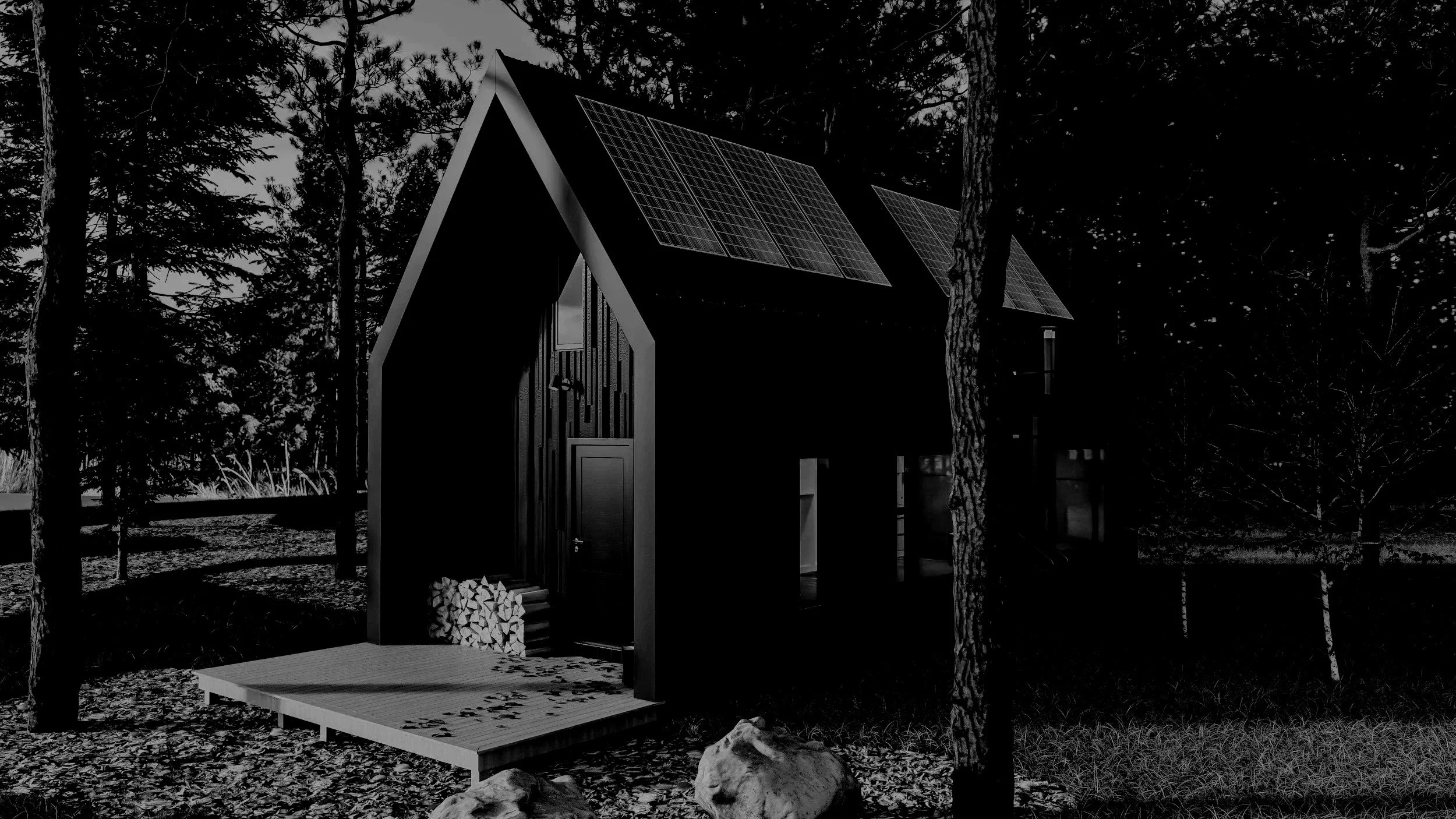
Why ADUs Are Exploding Across California
ADUs are now the fastest-growing housing type in California, and the data makes it clear why.
Between 2016 and 2022, ADU permits increased by approximately 15,300% statewide
Over 83,000 ADUs were permitted during that period
In 2022, ADUs accounted for 19% of all new housing in California
In 2023 alone, nearly 23,000 ADUs were permitted
Faster Approvals
In many jurisdictions, an ADU can be approved faster than minor home improvements like decks, pergolas, or roof replacements. Streamlined state laws have dramatically reduced red tape and review cycles.
Significant Property Value Gains
Homes with ADUs consistently appraise higher than those without. Long-term studies show an average 22% increase in appraised value. In major markets like Los Angeles, ADUs can add $200,000–$500,000+, depending on size and configuration.
A Practical Housing Solution
Beyond financial benefits, ADUs address one of California’s most pressing challenges: housing scarcity. By leveraging existing residential lots, ADUs provide new housing without the cost, disruption, or infrastructure demands of large-scale development.
ADUs offer a rare combination of speed, flexibility, and long-term value. With streamlined permitting, reduced fees, and strong market demand, they’ve become one of the most practical ways to improve a property while contributing to California’s housing supply.
If you’re considering an ADU, understanding the differences between Standard ADUs, Special ADUs, and Junior ADUs is the first step toward choosing the right path for your property and navigating the permitting process with confidence.
Ready to Move Forward with Your ADU?
Whether you’re exploring a Standard ADU, Special ADU, or Junior ADU, the permitting process is much smoother when it’s set up correctly from the start.
If your property is located in Santa Barbara, Ventura, or Los Angeles County, we can help you understand:
What type of ADU your site supports
Which departments will review your project
How to minimize review cycles and permitting timelines
